

Car Team USA is no longer operating as a dealership. We remain available to assist existing customers at sales@carteamusa.com
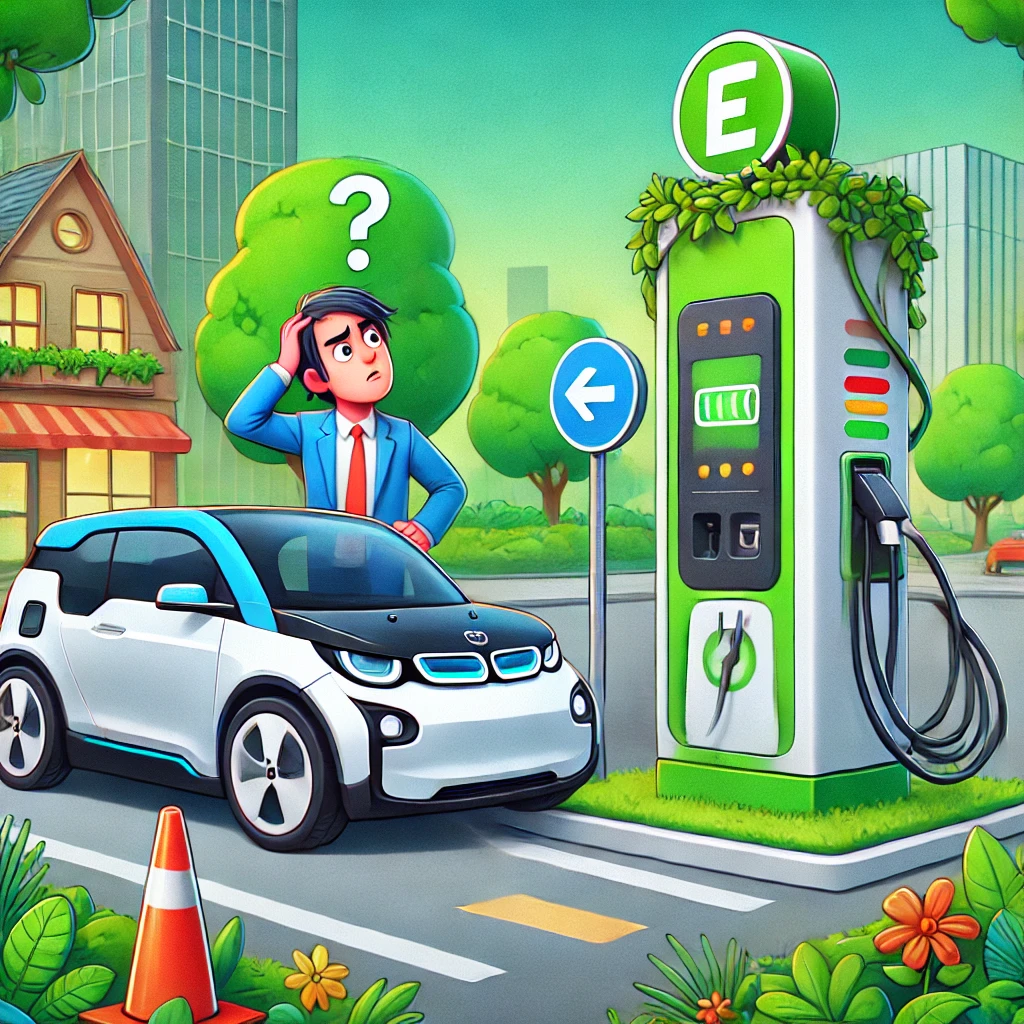
Electric Vehicle Charging: A Comprehensive Guide
As electric vehicles (EVs) become more popular, understanding how to charge them efficiently is crucial. Whether you’re a new EV owner or considering the switch, this guide will walk you through everything you need to know about EV charging, including the renowned Tesla Superchargers.
Types of EV Chargers
1. Level 1 Chargers:
Level 1 chargers use a standard 120-volt household outlet. They are the slowest charging option, providing about 2 to 5 miles of range per hour. These chargers are best for overnight charging or when you have plenty of time.
2. Level 2 Chargers:
Level 2 chargers require a 240-volt outlet, similar to what you’d use for a large appliance like a dryer. They charge much faster than Level 1, providing about 10 to 60 miles of range per hour. Level 2 chargers are ideal for home installation and are commonly found in public charging stations.
3. DC Fast Chargers:
DC Fast Chargers are the quickest option, providing 60 to 100 miles of range in just 20 minutes. These chargers are typically found at public charging stations along highways, making them perfect for long-distance travel. However, not all EVs can use DC Fast Chargers, so it’s important to check your vehicle’s compatibility.
4. Tesla Superchargers:
Tesla Superchargers are a specialized type of DC Fast Charger designed specifically for Tesla vehicles. These chargers can provide up to 200 miles of range in about 15 minutes, making them one of the fastest charging options available. The Tesla Supercharger network is extensive, with over 30,000 Superchargers worldwide, ensuring that Tesla owners can travel long distances with ease.
Home Charging
Installing a Home Charger:
Many EV owners choose to install a Level 2 charger at home for convenience. Professional installation is recommended to ensure safety and compliance with local electrical codes. The cost can vary depending on your home’s electrical system and the type of charger you choose.
Charging Habits:
For most EV owners, plugging in overnight is the most convenient way to charge. This allows you to start each day with a full battery. Setting your EV to charge during off-peak hours can also save you money if your utility company offers time-of-use rates.
Public Charging
Finding Charging Stations:
There are several apps and websites available to help you locate public charging stations, such as PlugShare, ChargePoint, and the Tesla Supercharger network. These tools provide real-time information on station availability, pricing, and user reviews.
Payment Methods:
Public charging stations may require a membership, offer pay-as-you-go options, or even be free. Make sure to check the payment methods accepted at the stations you plan to use. Some stations offer contactless payment via credit card or smartphone app. Tesla Superchargers typically charge your account automatically through the Tesla app, making the process seamless.
Charging Etiquette
Be Considerate:
When using public chargers, it’s important to be considerate of other EV owners. Avoid leaving your car plugged in longer than necessary, especially at high-demand locations. If you’re charging at a free station, move your car once it’s fully charged to allow others to use the spot.
Reporting Issues:
If you encounter a broken or malfunctioning charger, report it to the station operator. Most apps and websites have a feature that allows you to report issues directly, helping to ensure that chargers are maintained and operational for everyone.
Maximizing Battery Life
Optimal Charging Levels:
To prolong your battery’s lifespan, it’s best to keep your charge level between 20% and 80% for daily driving. Avoid frequent full charges and deep discharges, as these can degrade the battery over time.
Temperature Considerations:
Extreme temperatures can affect battery performance and charging speed. If possible, park in shaded or covered areas during hot weather and in a garage during cold weather. Some EVs have battery preconditioning features that can help maintain optimal temperature.
Future of EV Charging
The EV charging infrastructure is rapidly expanding, with more charging stations being installed worldwide. Innovations such as wireless charging and ultra-fast chargers are on the horizon, promising even greater convenience and efficiency for EV owners. Tesla continues to expand its Supercharger network, introducing V3 Superchargers that offer even faster charging speeds.
As the world shifts towards sustainable transportation, understanding the nuances of EV charging is essential. With the right knowledge and habits, you can make the most of your electric vehicle and contribute to a greener future.
For more information about electric vehicles and charging options, stay tuned to our blog and follow us on our social media channels. Also, check out the electric vehicles we have for sale here.
Car Team USA LLC
8168 SW Jack James Drive, Stuart, FL 34997
Phone: 561-584-8474
Facebook | Twitter
Connect with us


