

We are currently operating by appointment only while we complete operational restructuring. For tag, title, or active customer matters, please contact us directly at sales@carteamusa.com
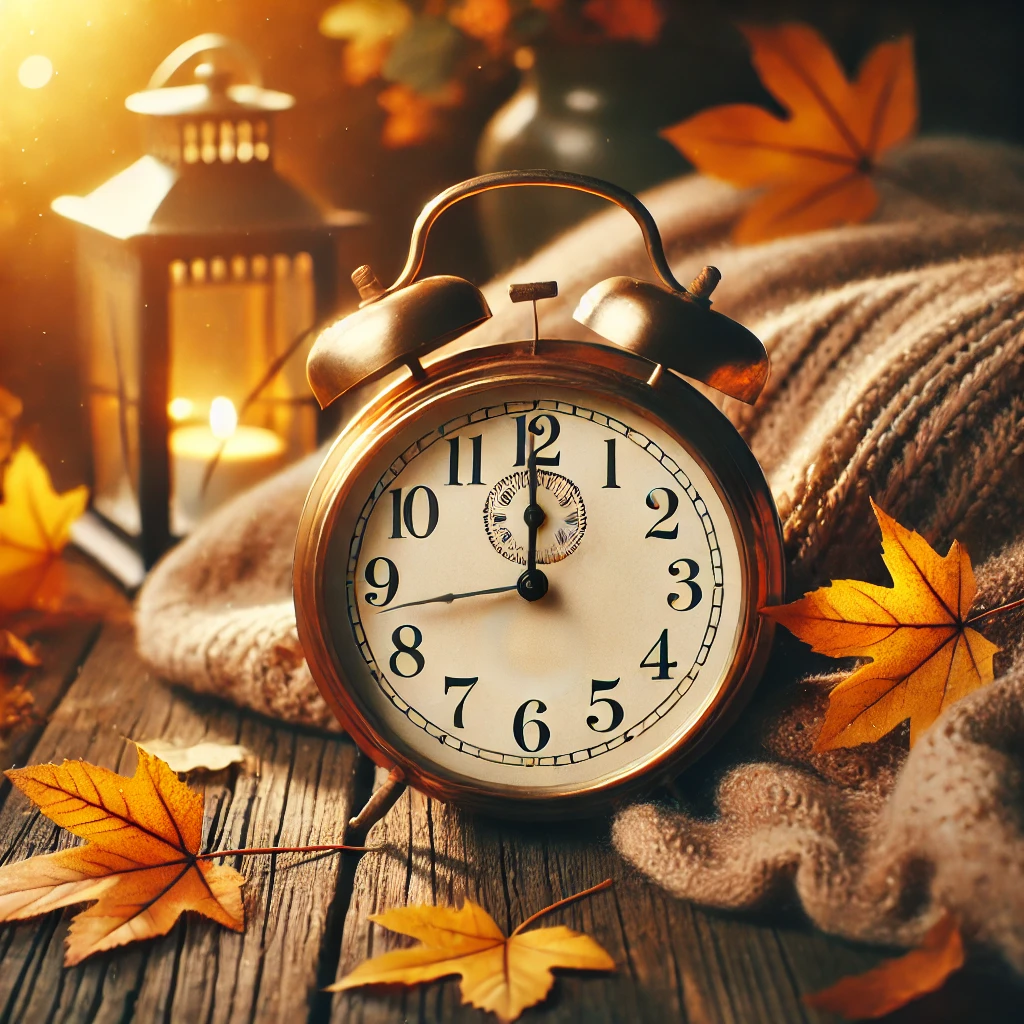
Daylight Saving Time Ends: What Falling Back Means for You
As autumn settles in, we prepare for a familiar change—the end of Daylight Saving Time. On Sunday, November 3, 2024, at 2:00 a.m., clocks will roll back one hour, giving us a bit more daylight in the mornings and an earlier sunset. Here’s a look at what this shift means for daily routines, our internal clocks, and why it might even be a good time to re-evaluate some aspects of our schedules.
The History and Purpose of “Falling Back”
Daylight Saving Time (DST) was established to make better use of natural daylight in the evenings, especially in spring and summer when days are longer. However, as DST ends and we “fall back” an hour in early November, we transition to Standard Time, where mornings brighten up earlier and evenings grow darker. While it’s great to have more daylight during those early hours, the abrupt shift can impact our sleep, routines, and even our driving habits.
Adjusting to the Time Change
The shift to Standard Time can disrupt our body’s natural rhythm, or circadian clock. This biological “internal clock” regulates everything from sleep patterns to digestion, and sudden changes can throw it off temporarily. The good news is there are simple ways to ease the adjustment:
- Gradually Adjust Your Sleep
Starting a few days before the change, shift your bedtime by 10–15 minutes each night. This helps your body gradually adapt to the new schedule, making the Monday after the time change feel more natural. - Soak Up Natural Morning Light
Daylight is the best way to reset your circadian clock. Try to spend a few minutes outside in the early morning, or sit by a bright window. Natural light cues your body that it’s time to wake up and be alert, which helps you adjust to the new time. - Be Mindful of Afternoon and Evening Activities
As darkness arrives earlier, adjust evening activities that might be harder to manage after sunset, like outdoor exercise or running errands. This is a great time to incorporate calming indoor activities in the evening, which can help prepare your body for sleep. - Stay Cautious on the Roads
With early sunsets, evening commutes will feel darker than usual, affecting visibility and potentially contributing to driver fatigue. Take extra care, especially during the first week, as both drivers and pedestrians are adjusting to darker evenings.
The Silver Lining of Daylight Saving Ending
Though the time change can bring initial adjustments, many people enjoy the benefits of earlier daylight. Those morning walks, coffee by the window, or even a peaceful drive to start your day all become brighter and more enjoyable. And as days grow shorter, there’s also an added coziness that autumn and winter bring—a perfect backdrop for spending quality time at home.
At Car Team USA, we love the slower, cozy pace this season brings, and we know that with a bit of planning, the transition can be a smooth one. So as we “fall back” this season, take it easy, enjoy the early light, and let’s all settle into this next chapter of the year with comfort and safety in mind.
For more local insights, seasonal driving tips, or community updates, stay connected with us at Car Team USA on YouTube, Twitter, Instagram, and Facebook.
Connect with us


